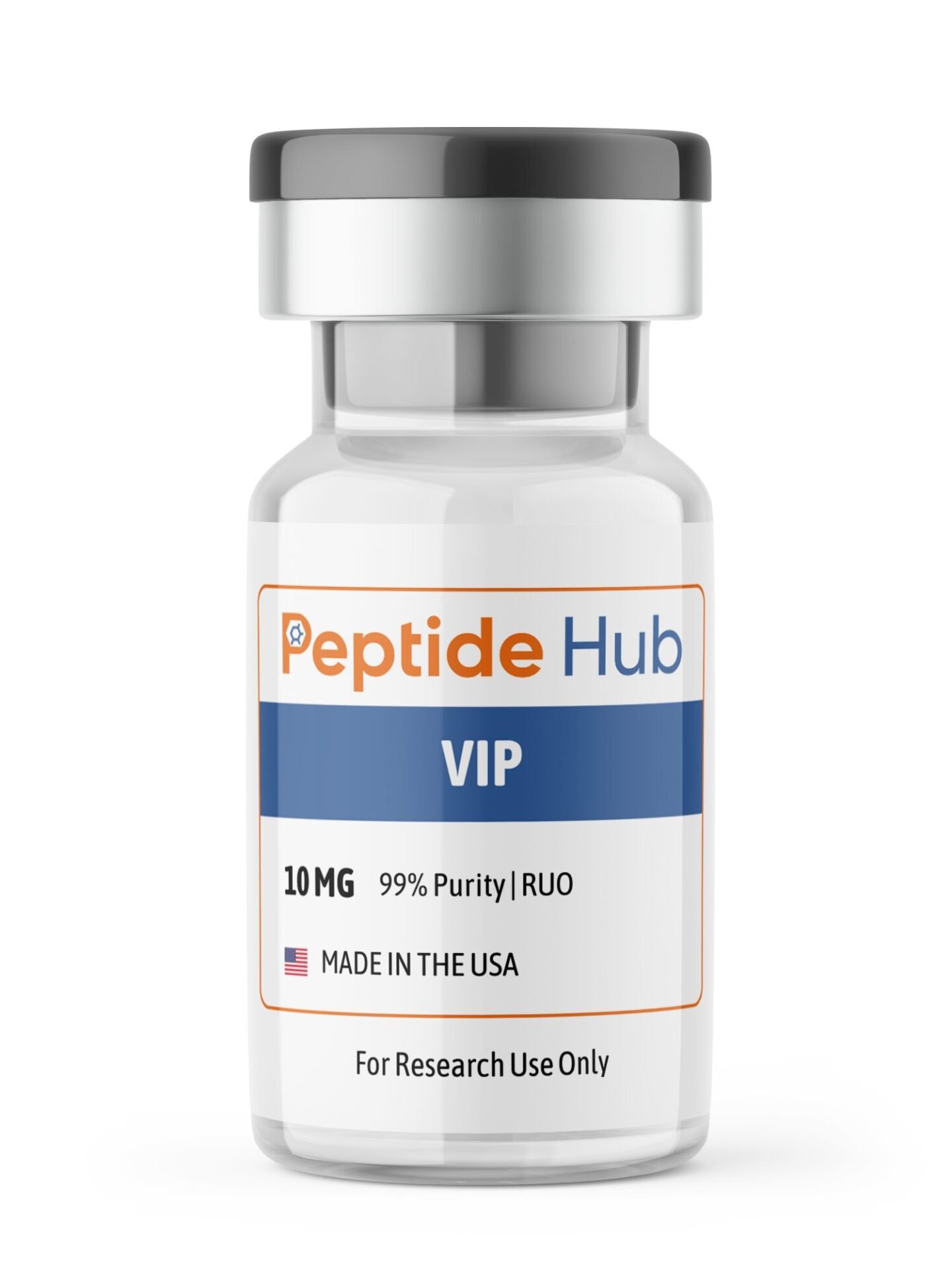

VIP (Vasoactive Intestinal Peptide) is a neuropeptide that regulates multiple physiological processes, including circulation, digestion, immune function, and metabolism.
In the gastrointestinal tract, it widens blood vessels, improves blood flow, and lowers blood pressure. Additionally, it relaxes smooth muscles, enhances gastrointestinal motility, and controls fluid and electrolyte secretion. These effects support digestion and overall gut health.
In the central nervous system, VIP influences circadian rhythms, cognitive function, and mood. It also protects neurons by promoting survival and regeneration, making it a key focus in Alzheimer’s and Parkinson’s research. Moreover, it enhances neurotransmitter release, supporting brain function and mental clarity.
Furthermore, VIP plays a critical role in immune regulation. It reduces inflammatory activity by modulating immune cell responses, helping to prevent excessive inflammation and tissue damage. Researchers explore its potential in treating autoimmune and chronic inflammatory diseases.
In addition, VIP impacts metabolism by influencing insulin secretion and glucose regulation. It helps improve insulin sensitivity, making it an important subject in diabetes research. Its ability to balance metabolic function may also aid in weight management and energy regulation.
Although promising, VIP requires further study to fully understand its effects and therapeutic potential. Researchers continue to investigate its diverse biological roles, aiming to unlock new applications in medicine and biotechnology.
For Research Use Only